


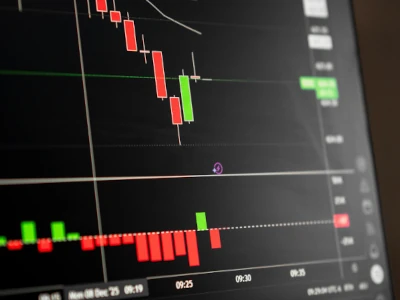
 Market volatility reflects short-term fluctuations in investment values that occur within longer-term market trends. These movements can happen frequently and are not unusual, even during periods of overall economic growth. For retirees, volatility is less about day-to-day market changes and more about how those changes interact with income needs.
Because retirement portfolios often support regular withdrawals, temporary declines may have a more immediate effect on available assets. This does not mean volatility can be predicted or avoided, but it does highlight why expectations matter. Recognizing volatility as a normal market condition can help retirees better evaluate risk, time horizon, and withdrawal planning decisions over the course of retirement.
 Sequence of returns risk refers to how the order of investment returns can affect a portfolio when withdrawals are occurring. Even when long-term average returns are similar, the timing of gains and losses may influence how long retirement assets last.
 Withdrawal rates represent the pace at which funds are taken from a retirement portfolio to support spending needs. While often discussed as a planning concept, withdrawal rates are not fixed rules and can interact differently with market conditions over time.
Impact of Volatility
During periods of market volatility, a higher withdrawal rate may place additional pressure on a portfolio, particularly if asset values are temporarily reduced.Sustainability Considerations
Withdrawal rates influence how much capital remains invested and available for future growth or income, which can affect portfolio durability under varying market environments.Value of Flexibility
Adjusting withdrawals in response to market conditions, spending needs, or portfolio performance may help manage risk over time.
Rather than focusing on a single percentage, withdrawal rates are commonly evaluated within the broader context of time horizon, asset allocation, and ongoing review.
 Asset allocation and cash flow planning influence how retirement portfolios function during periods of market volatility. Asset allocation determines how investments are distributed among asset classes with varying levels of risk and expected return. Because different asset classes often react differently to market conditions, allocation decisions can affect the degree and frequency of portfolio fluctuations.
Cash flow planning focuses on how retirement income is sourced over time. Many planning approaches emphasize aligning near-term spending needs with assets that are generally less exposed to market volatility. This may reduce the likelihood of selling longer-term investments during market downturns.
One commonly referenced framework is the bucket strategy, which separates assets based on expected time horizon and intended use.
This structure is designed to support short-term income needs while allowing longer-term assets to remain invested. While no approach can remove market risk, thoughtful asset allocation and cash flow planning can help manage uncertainty and support more consistent withdrawal decision-making over time.
 Market volatility can influence not only portfolio values, but also investor behavior. During periods of heightened uncertainty, emotional responses such as anxiety or fear may affect withdrawal decisions, sometimes leading to actions that differ from long-term plans.
Retirees may feel increased pressure to adjust spending or investment choices when market values decline. Without a defined framework, short-term market movements can take on outsized importance, increasing the risk of reactive decisions.
Having a clearly articulated withdrawal plan can help provide structure during volatile periods. While market conditions will change, disciplined decision-making and periodic review can help retirees remain focused on long-term objectives rather than short-term market fluctuations.